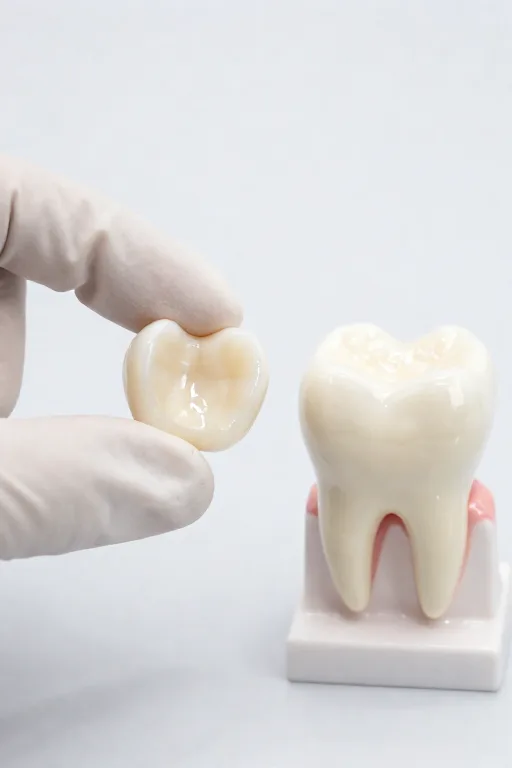
Treatment 01
Tooth-coloured fillings, inlays, and onlays
For mild to moderate structural loss, bonded restorations seal weakened areas and restore chewing efficiency while blending naturally with surrounding enamel.

Overview
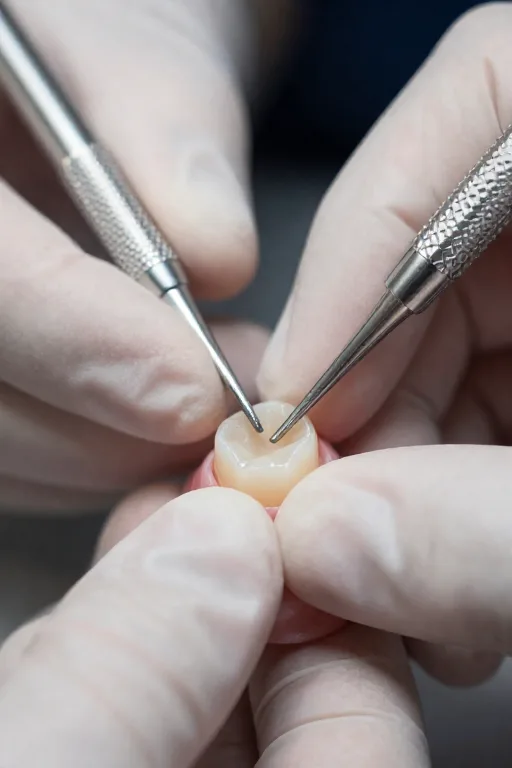
Pit and fissure sealants: A sealant is a plastic material that is usually applied to the chewing surfaces of the back teeth—premolars and molars. This plastic resin bonds into the depressions and grooves (pits and fissures) of the chewing surfaces of back teeth. The sealant acts as a barrier, protecting enamel from plaque and acids.
Thorough brushing and flossing help remove food particles and plaque from smooth surfaces of teeth. But toothbrush bristles cannot reach all the way into the depressions and grooves to extract food and plaque. Sealants protect these vulnerable areas by "sealing out" plaque and food. The likelihood of developing pit and fissure decay begins early in life, so children and teenagers are obvious candidates. But adults can benefit from sealants as well.
Sealants are easy for your dentist to apply, and it takes only a few minutes to seal each tooth. The teeth that will be sealed are cleaned. Then the chewing surfaces are roughened with an acid solution to help the sealant adhere to the tooth. The sealant is then 'painted' onto the tooth enamel, where it bonds directly to the tooth and hardens. Sometimes a special curing light is used to help the sealant harden.
As long as the sealant remains intact, the tooth surface will be protected from decay. Sealants hold up well under the force of normal chewing and usually last several years before a reapplication is needed. During your regular dental visits, your dentist will check the condition of the sealants and reapply them when necessary.
Core treatments
Each restoration is selected for durability, bite stability, and visual harmony with your natural smile.
Treatment 01
For mild to moderate structural loss, bonded restorations seal weakened areas and restore chewing efficiency while blending naturally with surrounding enamel.
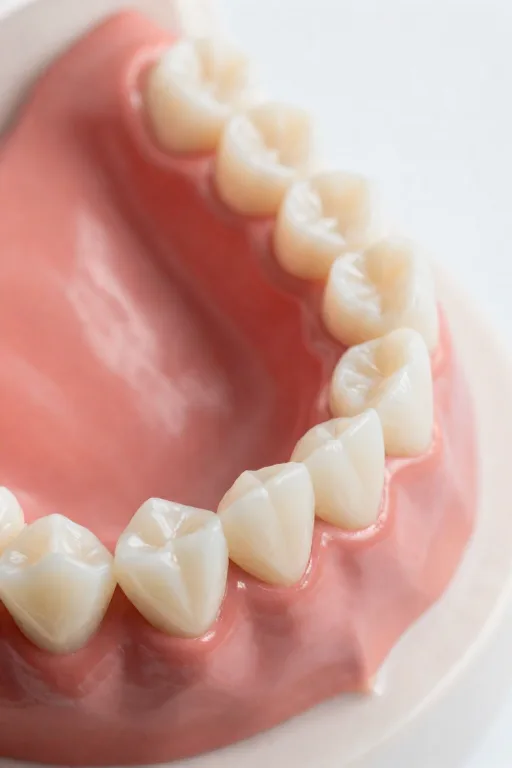
Treatment 02
When a tooth has significant cracks, wear, or large existing restorations, custom crowns rebuild shape and strength while improving long-term fracture resistance.

Treatment 03
Fixed bridge solutions close tooth gaps, improve chewing balance, and help prevent neighboring teeth from drifting out of alignment.
Why it matters
Repairing structural damage early helps preserve natural teeth, improves comfort, and lowers the risk of emergency interventions.
Benefit 01
Modern restorative planning focuses on conservative treatment first, reducing unnecessary removal of healthy tissue.
Benefit 02
Well-fitted restorations improve chewing efficiency, reduce sensitivity, and support everyday speaking and eating confidence.
Benefit 03
Correcting damage early helps prevent progression into root infection, tooth loss, and more complex rehabilitation later.
Ready to get started?
We'll find a time that works for your schedule. No long waits. No pressure.