Plaque buildup
Sticky deposits that harden into tartar if they are not removed regularly.
Preventive dentistry helps protect healthy teeth, gums, and bite development so orthodontic issues don't start or worsen during mixed dentition.


Preventive dentistry includes professional care and daily habits that help stop cavities, gum disease, and tooth damage before they start. The goal is to maintain healthy teeth, gums, and bite development through routine monitoring and timely intervention.
Sticky deposits that harden into tartar if they are not removed regularly.
Early gum inflammation that can worsen without professional cleaning and care.
Repeated decay that suggests a higher cavity risk and a preventive plan is needed.
Persistent odour, enamel wear, or exposed surfaces can be linked to early gum or tooth issues.
When baby teeth and permanent teeth are both present, healthy gum health and tooth surfaces support better eruption, spacing, and overall bite development--helping reduce the chance of needing more involved care later.
Preventive care follows a structured, patient-friendly process. We examine, clean, and recommend targeted interventions based on your child's risk factors and oral health needs.
Oral exams to assess teeth, gums, bite relationships, and early signs of decay.
Checking bleeding, swelling, and relevant pocket depth.
Scaling to remove plaque and tartar from teeth and along the gumline.
Personalised advice on brushing, flossing, and daily dental routines.
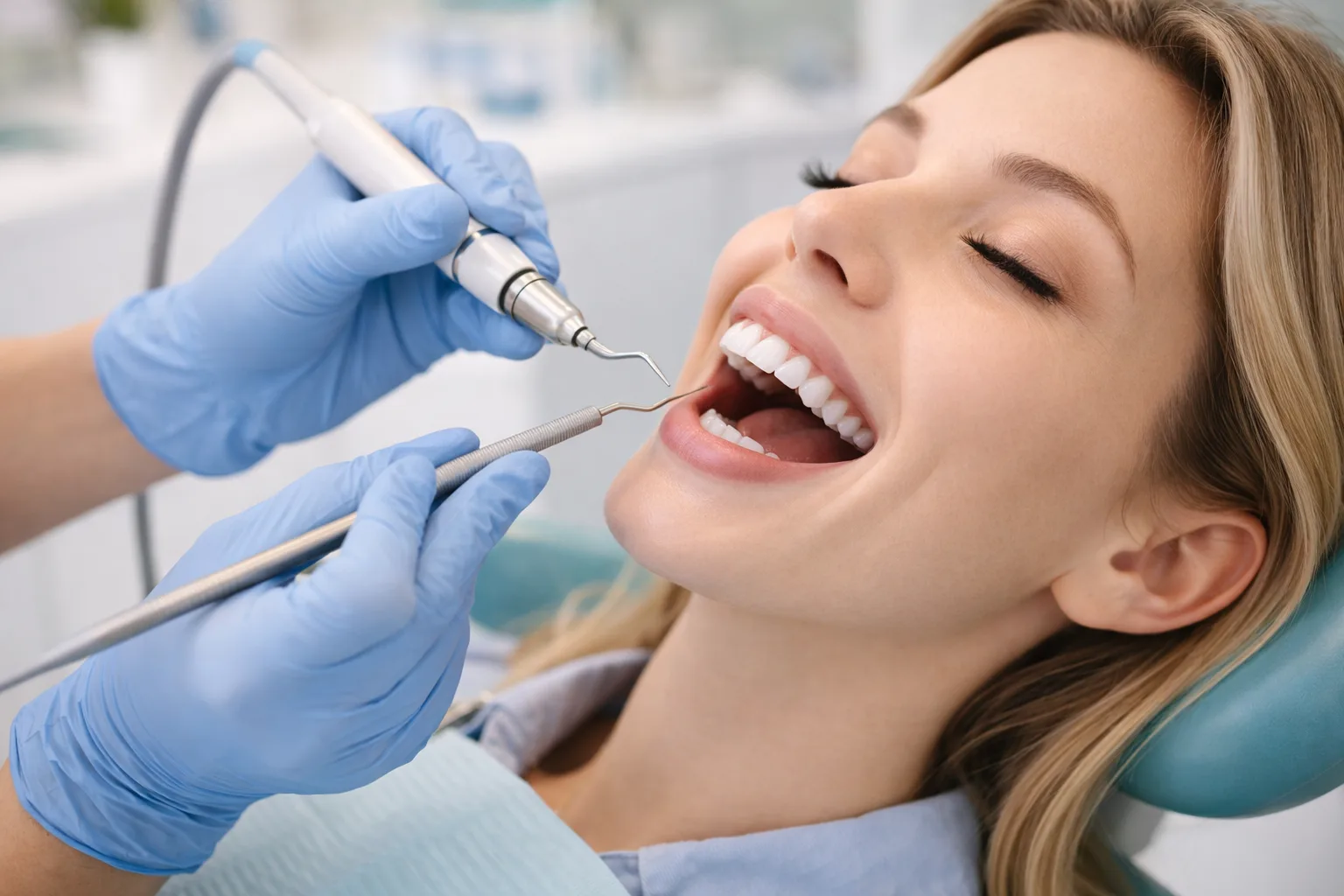

Preventive treatments are generally comfortable and non-invasive. Professional cleaning may cause mild sensitivity in some cases, but it typically settles quickly. The aim is to prevent pain by addressing issues early--before they need more invasive treatment.
The cost depends on the preventive services required after assessment. Common factors include:
The maintenance schedule tailored to your child's needs.
How much plaque and tartar removal is needed.
Whether fluoride or sealants are recommended.
Current gum condition and plaque levels.
We share a clear estimate after examination, because preventive needs vary from patient to patient.
Ready to get started?
We'll find a time that works for your schedule. No long waits. No pressure.