
01
Comprehensive records and joint planning
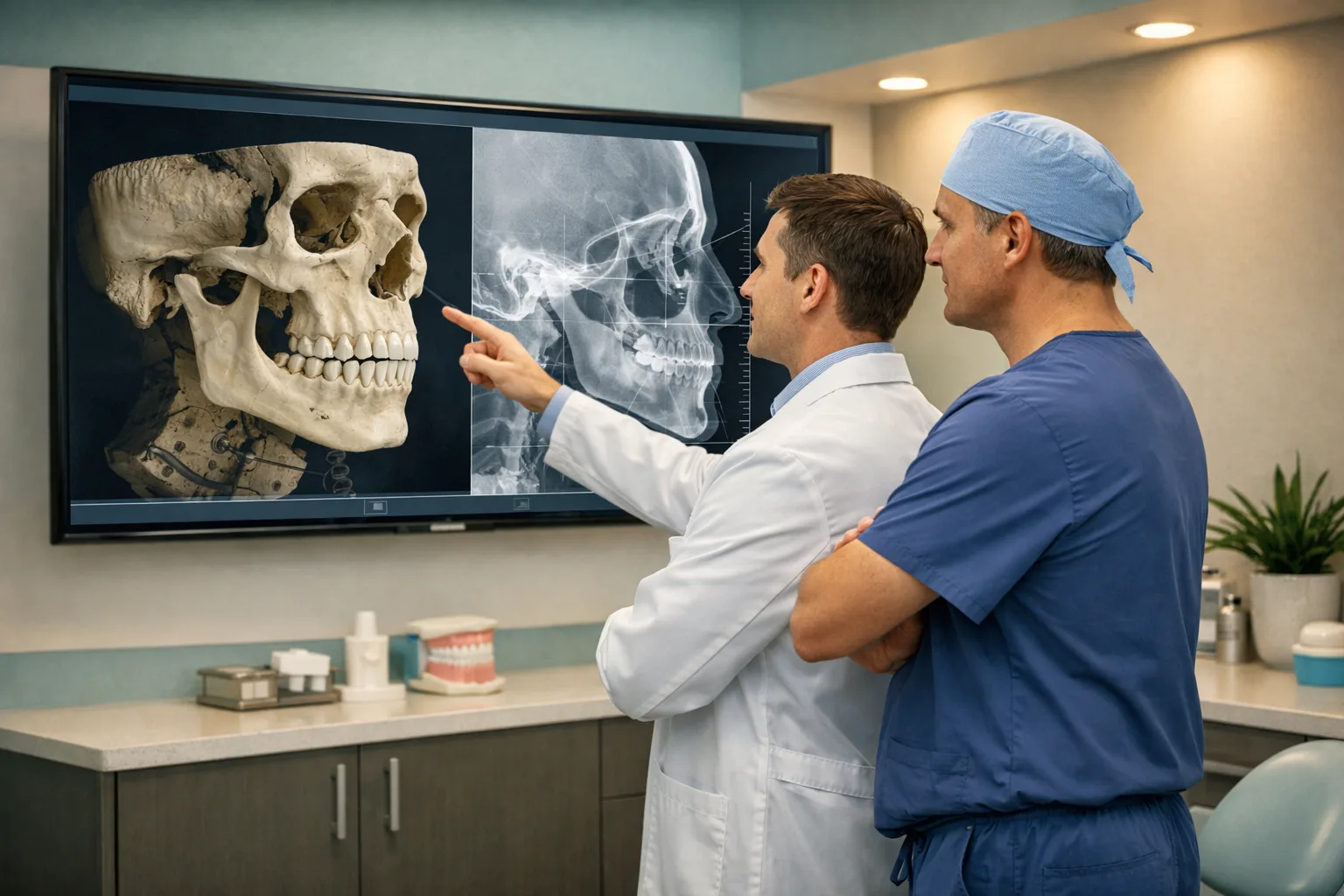
We evaluate bite fit, jaw position, smile balance, and facial profile with diagnostic records. Your orthodontic and surgical teams then align on the treatment sequence and expected milestones.
Jaw surgery and orthodontics coordinated as one plan for severe bite problems, jaw imbalance, and long-term functional stability.
Treatment journey
Orthognathic care is delivered in phases so your braces, surgery, and healing period stay coordinated. Each stage has clear goals and sets up the next one.
01
We evaluate bite fit, jaw position, smile balance, and facial profile with diagnostic records. Your orthodontic and surgical teams then align on the treatment sequence and expected milestones.

02
Before surgery, teeth are aligned into their planned positions so jaw correction can be performed accurately. This stage improves surgical precision and helps the final bite settle more predictably.

03
During the surgical phase, jaw position is corrected according to the shared plan. We provide coordinated timing guidance and follow-up support to keep healing and comfort on track.

04
After recovery, orthodontic refinement is used to optimize occlusion and intercuspation. A retention plan is then tailored to support long-term stability and protect your result.
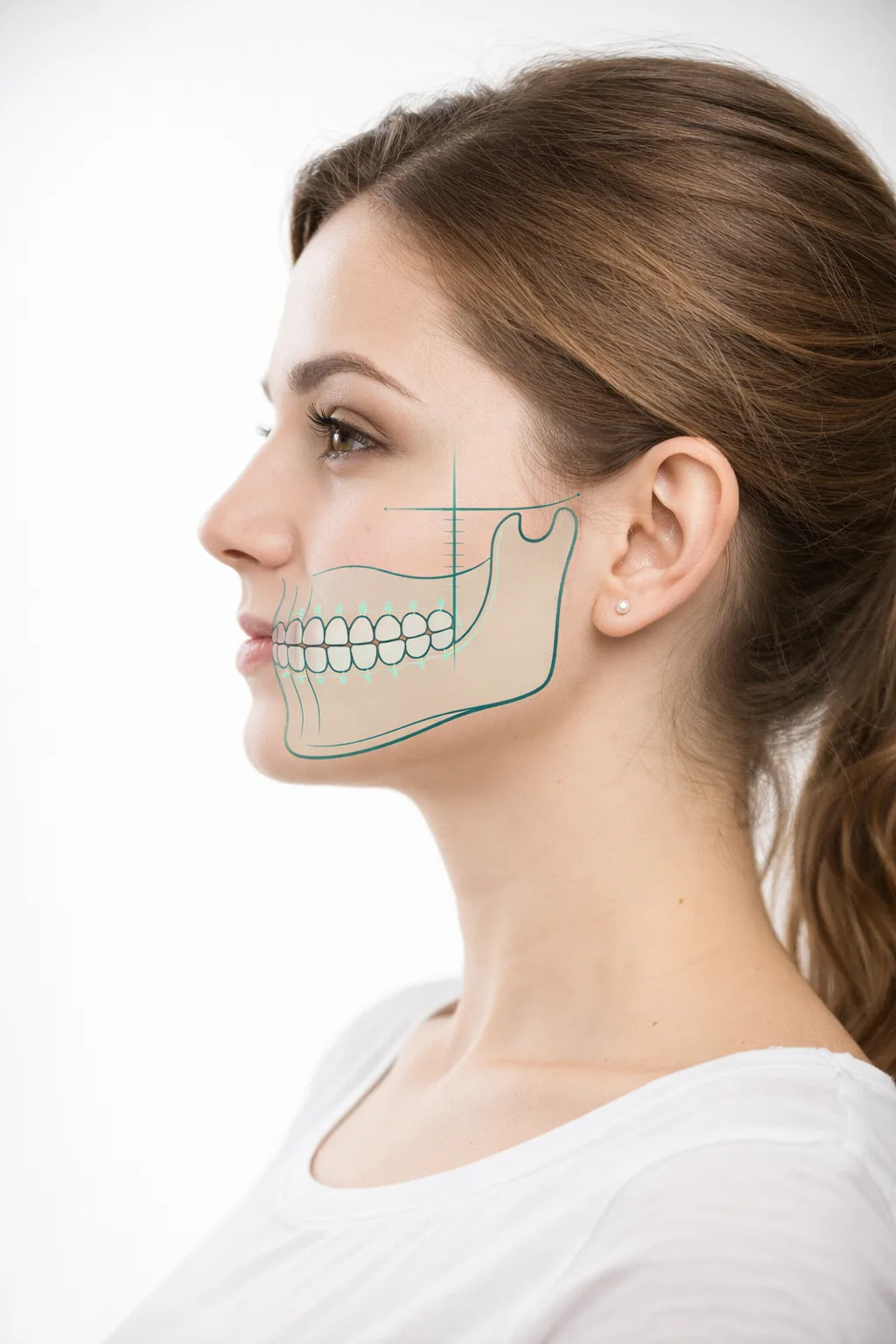
Orthognathic surgery is considered when jaw position contributes to bite dysfunction or facial imbalance that cannot be corrected with orthodontics alone. Treatment aims to improve function first, while also supporting better facial harmony.
Significant mismatch between upper and lower jaws that affects bite relationship and facial balance.
Difficulty chewing efficiently, unstable bite contacts, or limited correction potential with braces alone.
Skeletal growth is complete and orthopedic correction is no longer possible through growth guidance.
Cases requiring coordinated orthodontic, surgical, and restorative planning for stable long-term outcomes.
Ready to get started?
We'll find a time that works for your schedule. No long waits. No pressure.