More even tooth wear
Correct bite contacts can reduce stress on specific teeth and help protect enamel over time.
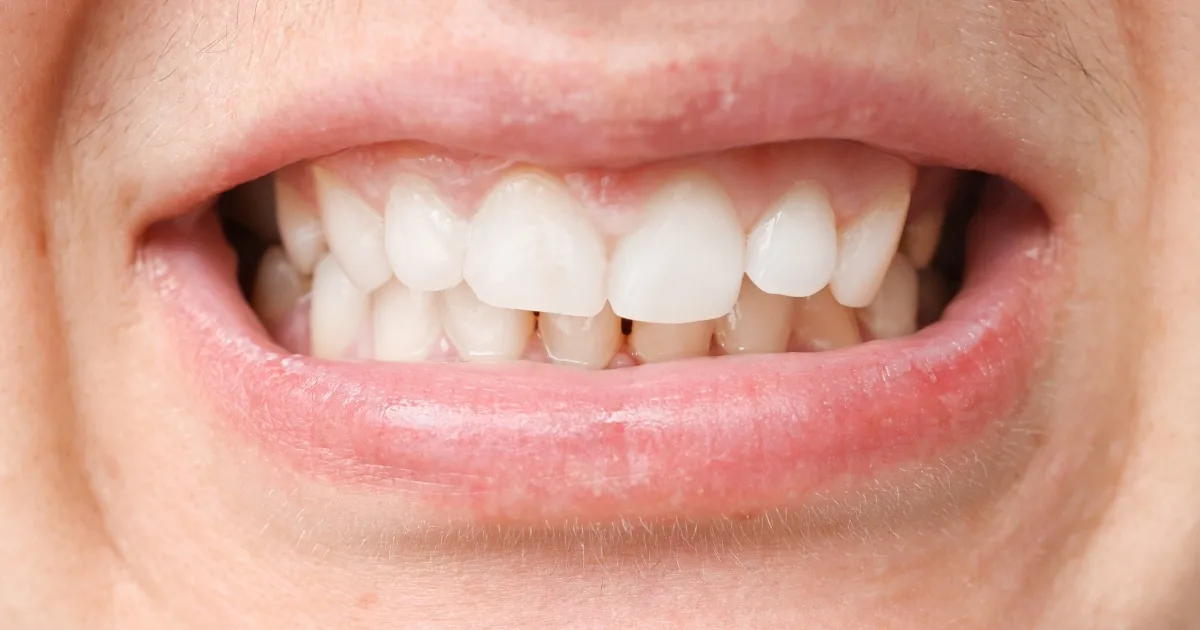
Cross bites happen when the upper teeth sit inside the lower teeth during biting. Early correction helps support healthier jaw function, reduces uneven wear, and improves long-term oral comfort.
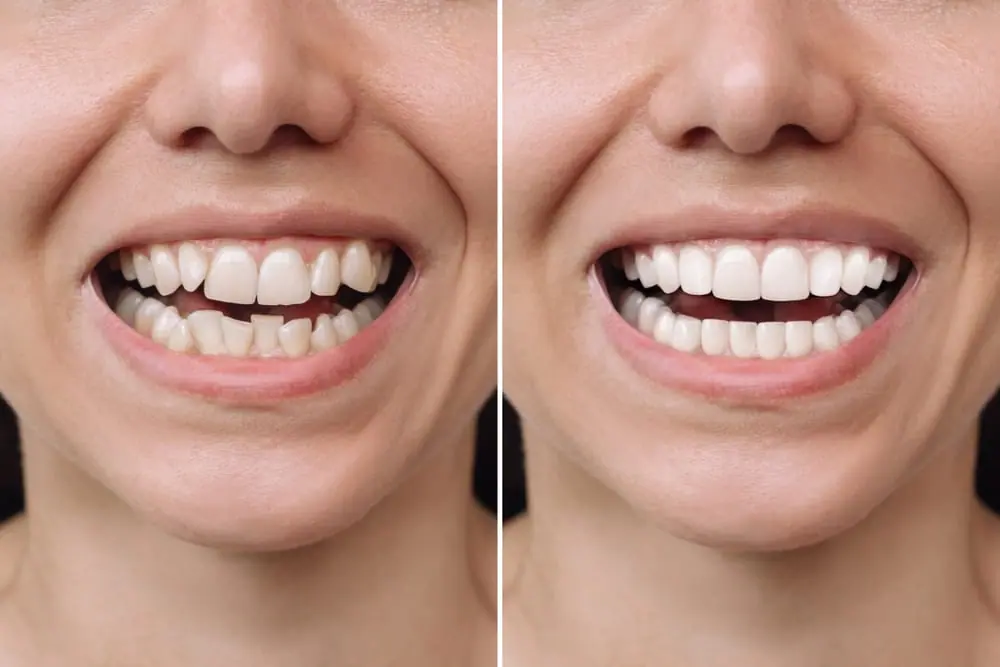
Correct bite contacts can reduce stress on specific teeth and help protect enamel over time.
When biting is balanced, gums are less likely to face ongoing trauma and irritation.
Early guidance can improve bite symmetry and reduce functional strain.
Addressing cross bite causes early can help simplify what comes next.
A cross bite isn't only cosmetic. For adults, an ongoing cross bite can contribute to several discomforts and oral health challenges.
Ongoing discomfort may develop when bite forces are not evenly distributed.
Unfavorable bite contacts and hygiene challenges may increase cavity risk.
In some cases, bite and jaw imbalance may be associated with breathing-related issues.
Cross bite strain may contribute to tenderness, clicking, or stiffness.
Jaw tension and muscle overuse may trigger headache symptoms for some patients.
Some people notice changes in how they form certain sounds.
Jaw muscle strain can radiate into your neck and shoulders.
If you have any of these symptoms, scheduling an orthodontic assessment is a good next step. We'll help you understand what's bite-related and what may need additional medical input.

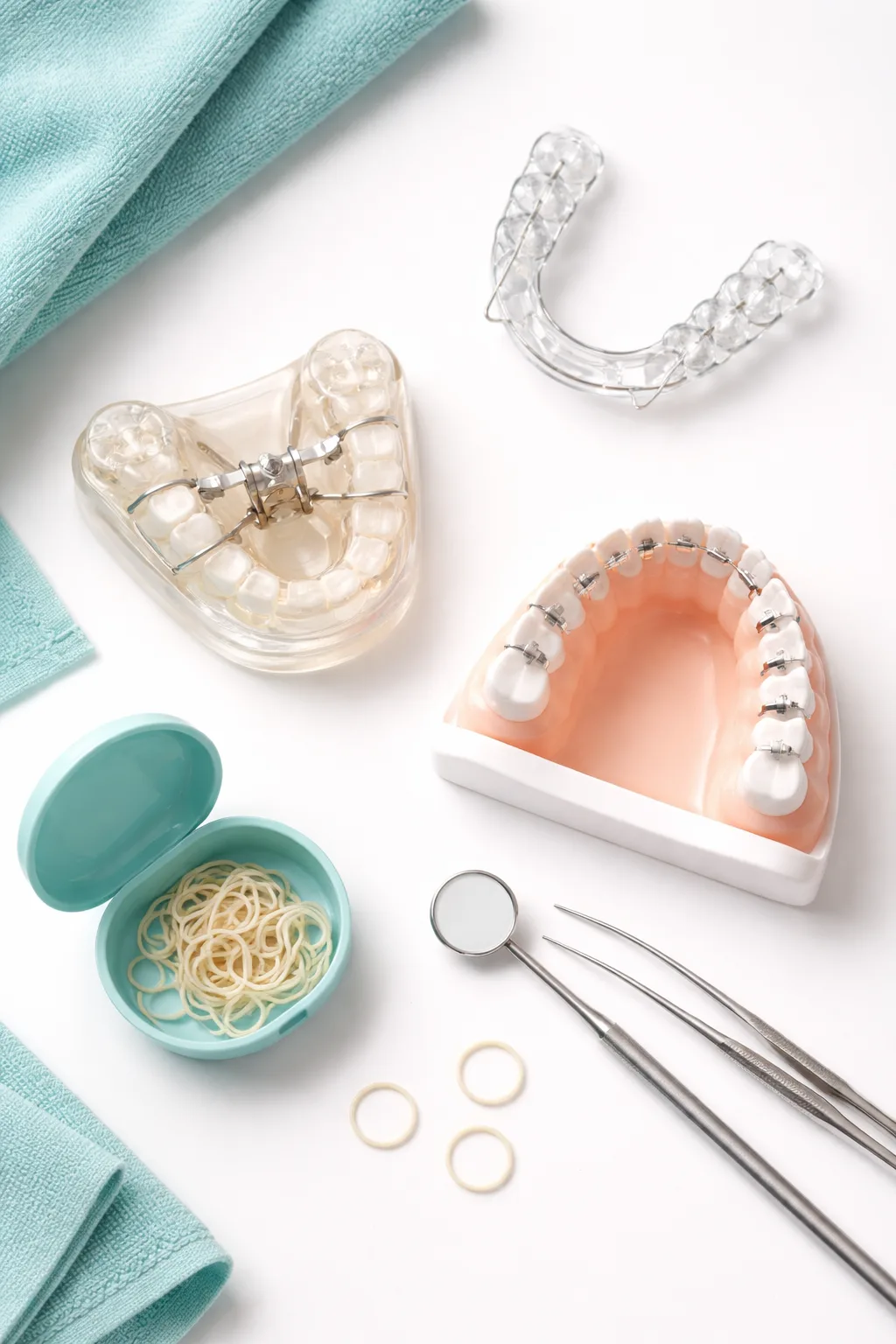
Treatment is customized to your bite pattern, age, and comfort goals. These are common options we discuss during your assessment.
Helpful when a narrow arch contributes to the cross bite.
Used to refine alignment and improve bite contacts for many cross bite patterns.
Often used when the treatment plan benefits from adjustability and age-appropriate wear.
May be recommended to help coordinate upper and lower arches.
Progress is reviewed regularly so adjustments match how teeth and jaws respond.
After correction, retainers help keep the bite in the improved position.
Ready to get started?
We'll find a time that works for your schedule. No long waits. No pressure.